
Vaccination and Preventive Care: Keeping Pets Before Things Get Fancy.
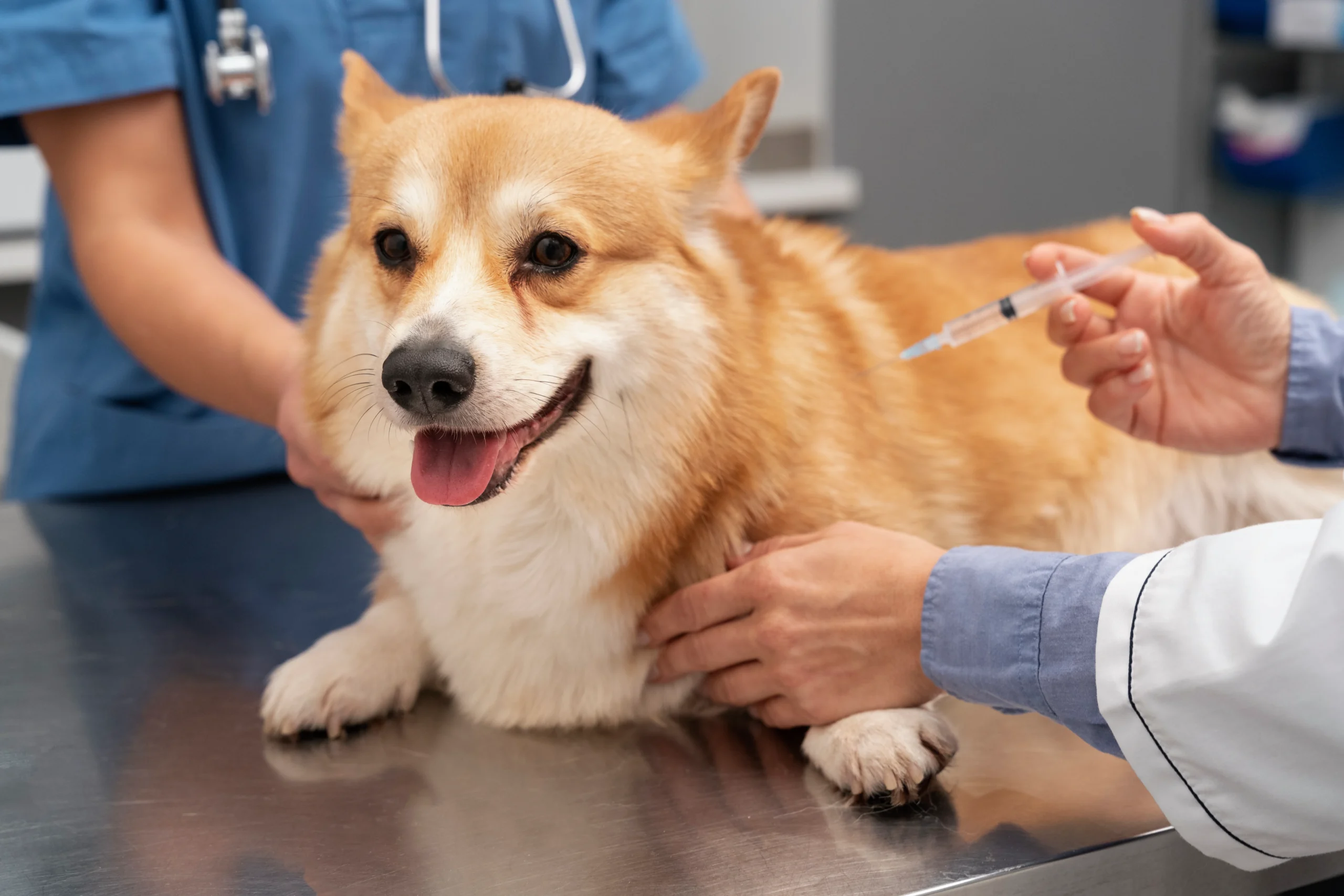
The most significant tasks in the pet parenting are vaccination and the preventive healthcare, yet most pet owners misinterpret their purpose or postpone it until a complication has manifested itself. Many individuals are primarily interested in feeding, grooming, and playing with their pets which is all great, but preventive care is what cushions your pet against severe illness that could cause damage to the health, comfort and longevity. Preventive care does not merely mean avoiding an ailment anymore it is rather a matter of establishing a better immunity, lessening medical emergencies in the long term, and assuring safe/stable growth of pets. The awareness of pet care teaches that prevention is not a one-time activity. You should not be a late guardian to pets.
Find the best online casinos Canada players trust, explore the best online casinos in Canada, and discover the top 10 online casinos Canada for secure gaming, big bonuses, and fast payouts.
A significant factor that makes preventive care to be overlooked is the fact that, most pet diseases occur without showing any signs. Pets do not express weakness in a clear manner as human beings do, and they always attempt to conceal their weakness. It implies that the manifestations of symptoms can only come up when a disease is severe. Vaccinations are used to prevent the spread of diseases that can be transmitted rapidly and which are fatal particularly in the case of puppies and kittens. Preventive education explains that not taking vaccines is not a minor issue, it is opening the gateway to massive health risks. As an illustration, such illnesses as rabies, parvovirus, distemper, and some respiratory diseases may be very harmful; the treatment process can be costly and stressful. Vaccines are available to minimize such risk at an early and safe age.
It is also necessary to know the vaccination schedule since time is a significant consideration. Immunes of young pets are not fully developed yet and they require a course of vaccinations to create appropriate protection. Most of the vaccines have to be boostered in order to offer complete immunity, but many owners administer one shot and believe that their pets are completely vaccinated, having a well-documented health record will assist the vet in making a more informed decision and also ensure that the care provided to their pets will be more organized. Emergencies We are less panicked as organized healthcare minimizes panic.
Another measure that should be taken to help prevent the illness is deworming; again, the owners often abandon it after the initial several months and fail to understand that the parasites are a chronic threat. Worm infections may decrease the absorption of nutrition, undermine the immune system and generate digestive complications such as vomiting, bloating and poor development. In other situations, parasites may develop into acute form and lead to a state of weakness, anemia, or organ strain. Preventive care education informs that deworming is not only to dirty pets but also to indoor pets since they can contract parasites via contaminated surfaces and food, water, or contact with other animals. Deworming regularly helps in the preservation of health and energy. Good digestion promotes good and cheerful pet behavior.
Another aspect where most pet parents procrastinate action is in the prevention of fleas and ticks where one may only take action when they notice the presence of parasites yet you will find that by the time you notice the presence of a flea or tick, it is already active. Fleas breed very fast, and ticks are able to spread severe diseases. Parasites trigger itchiness, scratching, loss of hair as well as skin irritation that subsequently results in infection and discomfort. Basic prevention enables the elimination of scratching, preserves the health of the skin, and enhances the comfort level. Pets that are comfortable will sleep better, act better and get more secure at home.
Finally, the best kinds of love and care are of the preventive nature and vaccination since they help to keep pets safe before the issues begin. Preventive care will make the experience of being a pet owner less painful, adds to longevity, and causes less anxiety. Owners can lead pets to healthier and happier lives by creating effective vaccination habits, practicing deworming, preventing parasitism, undertaking frequent health examinations, etc. The awareness of pet care has taught that prevention is not cost it is safeguarding. Happy pet comes with a guarded pet and a guarded pet brings a happier home.