Pet Nutrition Awareness: How to Feed Your Pet Without Getting Confused or Overweight.
One of the most misconstrued aspects of pet care is pet nutrition as most owners tend to treat their pets as humans and give them food depending on how they feel instead of the nutritional demand. Pets need healthy diet to promote growth, immunity, digestion, energy, and organ health in the long run. Eating old food, numerous snacks or ad hoc snacks may harm pet health over time although the pet may look happy. The awareness about nutrition informs that food is not comfort alone, food is medicine and power to the body of the pet. Nutrition creates healthy long-term health.
Among the most important things to understand is the fact that pets should have portion control. Several pet owners overfeed their pets since they look hungry or demand food. However, pleading is seldom a case of hunger. Overfeeding results in the growth of weight and health problems in the long run. The awareness promotes adhering to feeding guidelines dependent on the age, breed, the level of activity and the weight. Energy and stress on the joints are enhanced by portion control. The factor of healthy weight is one of the largest life-prolonging ones.
Food quality also matters. Certain low-cost foods are filled with foodstuffs that lower the nutritional value and augment gastrointestinal complications. Consciousness motivates inspection of quality of ingredients and choices made on balanced diets. Pets require good protein, fats, vitamins and minerals. Unhealthy eating results in dry coat, weak vitality, skin problems, and immunity. Healthy eating enhances the shine of the coat, mood and endurance. The quality of food is reflected on the looks and behavior of pets.
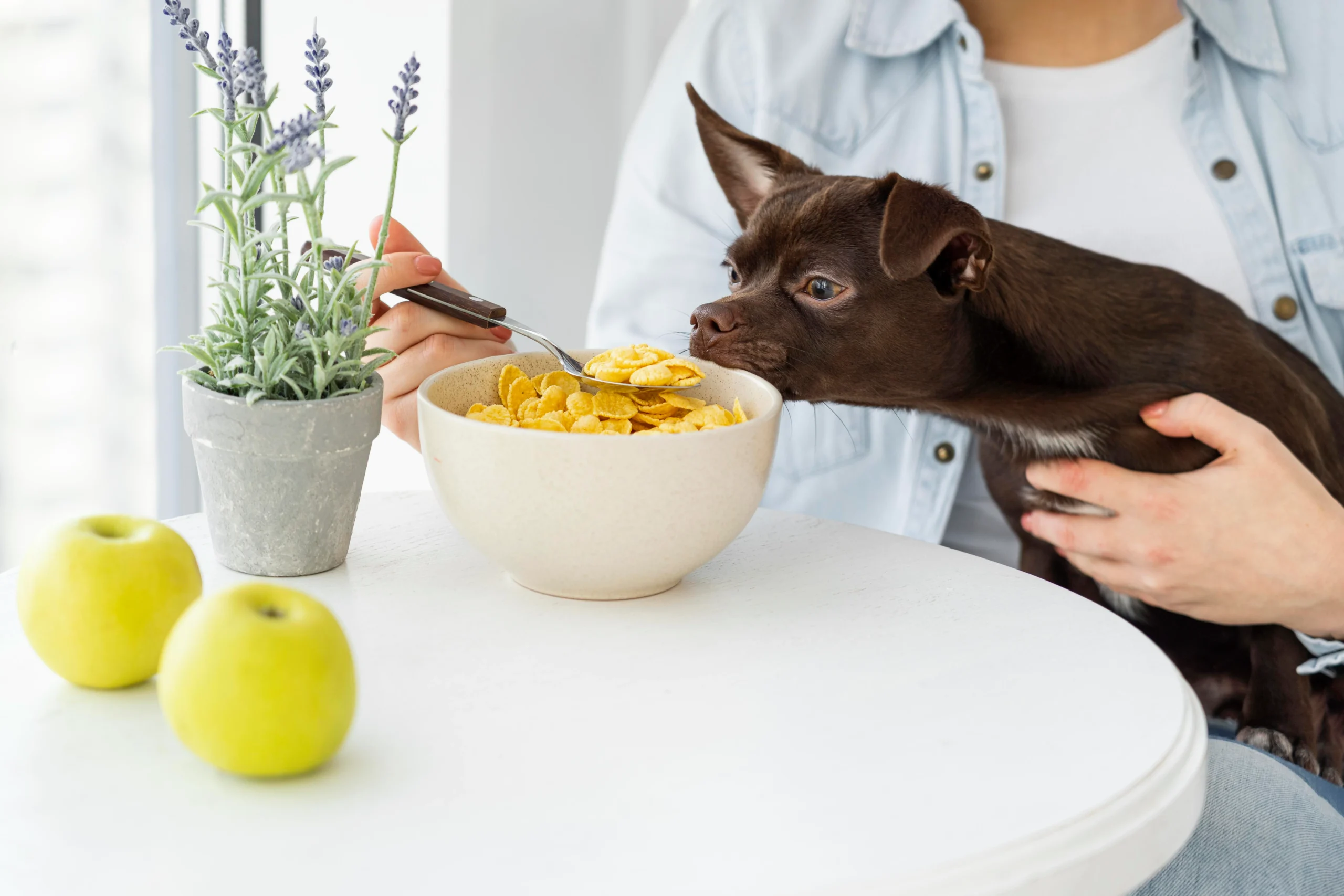
Human food can be dangerous. Most of the owners post sweet stuff, hot food, fried food, or dairy without the knowledge of danger. There are certain foodstuffs that are pet toxins and may cause severe complications. The awareness will promote the prevention of unsafe objects and the separation of pet food and human food. Accidents are minimized by safe limits. Pets can die as a result of accidents.
Treats should be used wisely. Treats are good to train with, but excess treats are depositors of extra calories and cause an addictive effect. Consciousness promotes consumption of small snacks and proportionality of treat caloric intake and food. The rewards may also be non-food such as play, praise or toys. Treats are regulated and this makes training healthier. Obesity is prevented using controlled treats.
Nutrition is assisted by hydration. Digestion and absorption of nutrients is facilitated by water. Numerous pets, particularly cats consume less water, which elevates kidney and urinary issues. Consciousness promotes the necessity of promoting hydration by using clean bowls, numerous water stations, and wet food ratio in case of necessity. Fluid dehydration enhances internal wellbeing. Nutrition discipline is water discipline.
Finally, pet nutrition is regarding protection in the long run. A healthy diet helps minimize the risk of diseases, increases energy and immunity. Nutrition education assists pet parents to make informed and calm decisions rather than emotional feeding. Healthy food produces healthy pets. Healthier eating makes a better life.